
Need expert tree preservation long island ny? Call now for expert tree services!
Tree Preservation Near You | At The Top Tree Service Corp
When Hurricane Sandy hit Long Island back in 2012, we watched helplessly between tears and amazement as centuries-old oak trees that had weathered dozens of storms suddenly couldn’t handle one more. The differnce between the trees that survived and those that didn’t? Proper tree preservation care in the years leading up to the storm.
That’s when we realized tree preservation Long Island NY isn’t just about keeping trees pretty – it’s about protecting investments that can be worth tens of thousands of dollars and take decades to replace. After fifteen years of helping families across Nassau and Suffolk counties save their most treasured trees, we’ve learned that the best time to start preserving a tree is yesterday. The second best time is right now.
Most homeowners don’t realize their mature maple in the backyard could be worth $15,000 or more until it’s gone. We’ve seen families in Huntington, Smithtown, and Babylon lose sleep over losing a tree their great-grandfather planted. That’s why we’ve made tree preservation our specialty – because some things are worth saving.
Tree Preservation Services That Actually Work
Here’s what we’ve learned works after preserving over 3,000 trees across Long Island: every tree is different, but the principles stay the same. You need to understand what each tree needs to thrive, then give it exactly that. Sounds simple, but most companies just trim branches and call it preservation.
Real tree preservation starts with understanding your tree’s health from the roots up. We check soil conditions, look for signs of disease or pest damage, evaluate structural integrity, and assess environmental stressors. Then we create a preservation plan that addresses your tree’s specific needs.
The clients who call us early – when their tree still looks healthy but they want to keep it that way – get the best results. We’ve helped 200-year-old oaks in Old Brookville stay strong and vibrant. We’ve rescued dying maples in Syosset that families thought were goners. We’ve prevented storm damage in Port Jefferson by strengthening trees before bad weather hits.
Tree preservation Long Island NY requires understanding local conditions. Our sandy soil drains quickly, which some trees love and others hate. Our coastal winds put unique stress on tree structures. Our harsh winters followed by humid summers create perfect conditions for certain diseases. We know which trees struggle here and how to help them succeed.
Most preservation work happens below ground where you can’t see it. Root health determines everything else. We improve soil conditions, install root barriers when needed, and address drainage issues that slowly kill trees. Healthy roots mean healthy trees that can handle whatever Long Island weather throws at them.
We also focus on canopy management – carefully removing branches that compete with each other or create weak points where wind can grab hold. This isn’t regular pruning. This is surgical precision work that maintains the tree’s natural shape while eliminating future problems.
Emergency Tree Health Assessment and Recovery
Sometimes trees need immediate help. We get calls from panicked homeowners who notice their prize oak is suddenly dropping leaves in June, or their flowering cherry hasn’t bloomed in two years. Emergency tree health situations require fast, accurate diagnosis and treatment.
We’ve saved trees that other companies wanted to remove. Last summer, a family in Commack called three companies about their dying maple. Two said remove it. We identified Dutch elm disease in the early stages and treated it successfully. That tree is thriving again.
Emergency tree preservation often means addressing multiple problems at once. Poor drainage plus insect damage plus structural weakness equals a tree in crisis. We tackle all the issues simultaneously because addressing just one problem rarely saves a critically ill tree.
The key to emergency tree recovery is acting fast but not making hasty decisions. We’ve seen homeowners panic and authorize expensive treatments that weren’t necessary, or wait too long hoping the tree would recover on its own. Quick professional assessment prevents both mistakes.
Our emergency response covers all of Long Island, from the North Fork vineyards where salt spray threatens trees, to the South Shore where sandy soil creates unique challenges. We understand regional tree health issues and carry treatment supplies for the most common local problems.
Some emergency situations can’t wait for regular business hours. We provide urgent tree health assessments for valuable trees showing signs of sudden decline. Early intervention saves trees and saves money compared to removal and replacement costs.
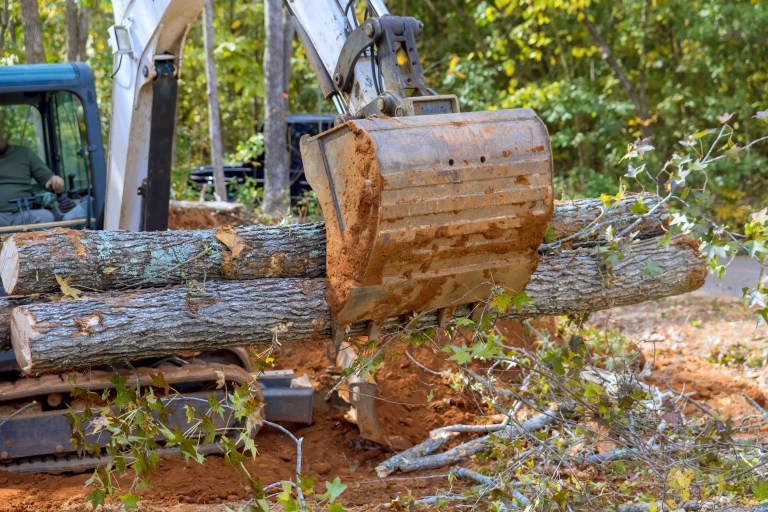
Tree risk assessment prevents problems before they become emergencies. We evaluate trees near houses, driveways, and power lines to identify potential hazards. This proactive approach protects both your property and your trees.
Most homeowners don’t know how to spot early warning signs of tree failure. Slight lean changes, dead branches, bark damage, root exposure – these seemingly minor issues can indicate serious structural problems. We catch these problems early when they’re still manageable.
Tree risk management isn’t about removing every tree that could potentially fall. It’s about understanding risk levels and taking appropriate action. Sometimes that means strategic pruning, sometimes cabling and bracing, sometimes soil improvement. Removal is always the last option.
We assess tree risk differently in different seasons. Spring assessments focus on winter damage and new growth patterns. Summer evaluations look for drought stress and pest issues. Fall inspections prepare trees for winter storms. Each season reveals different potential problems.
Insurance companies increasingly require tree risk assessments for high-value properties. We provide detailed reports that document tree conditions and recommended maintenance. This documentation protects homeowners and satisfies insurance requirements.
Professional tree risk assessment also considers future growth and changes. A tree that’s safe today might pose risks in five years without proper management. We create long-term risk management plans that keep both trees and property safe.
Soil Health and Root System Optimization
Most tree problems start in the soil, but most companies ignore soil conditions completely. We test soil pH, drainage, compaction, and nutrient levels because healthy soil grows healthy trees. Poor soil kills trees slowly, and most homeowners never realize what’s happening.
Long Island soil varies dramatically from neighborhood to neighborhood. Sandy soil in some areas drains too quickly. Clay soil in others holds too much water. Construction damage compacts soil and damages roots. We address each property’s specific soil challenges.
Soil improvement for tree preservation isn’t just adding fertilizer. We address compaction issues that prevent roots from spreading. We improve drainage in areas where water pools around tree bases. We add organic matter that feeds beneficial soil organisms. We adjust pH levels that affect nutrient absorption.
Root system optimization sometimes requires physical intervention. We install air spading to decompact soil without damaging roots. We create root barriers to direct growth away from foundations and utilities. We repair root damage from construction projects.
The best soil improvements happen gradually over several seasons. Quick fixes rarely work and sometimes harm trees. We develop multi-year soil improvement plans that steadily improve growing conditions. Patience pays off with stronger, healthier trees.
Mycorrhizal fungi partnerships help tree roots absorb nutrients and water more efficiently. We inoculate soil with beneficial fungi that create these natural partnerships. This biological approach to soil health produces lasting results that synthetic fertilizers can’t match.

Disease Prevention and Treatment Programs
Tree diseases in Long Island follow predictable seasonal patterns. We prevent disease problems with targeted treatments applied at optimal times. Prevention costs less than treatment and treatment costs less than tree replacement.
Fungal diseases love our humid summers. Bacterial problems spike after storm damage. Viral issues spread through insect vectors. We know which diseases affect which trees when, and we know how to interrupt disease cycles before serious damage occurs.
Early disease detection saves trees and saves money. We recognize subtle symptoms that homeowners miss – slight color changes, unusual growth patterns, minor bark damage. Catching diseases early makes treatment much more effective.
Disease treatment programs vary by tree species and disease type. Systemic treatments for some problems, topical applications for others. Soil treatments for root diseases, foliar treatments for leaf problems. We match treatment methods to specific disease situations.
Some tree diseases require multiple treatment cycles over several seasons. We create treatment schedules that maximize effectiveness while minimizing tree stress. Timing treatments with tree biology produces better results than generic spray schedules.
Disease prevention also includes managing environmental conditions that promote disease development. Improving air circulation, reducing moisture on leaves, removing diseased plant material. Environmental management prevents disease problems from starting.
Pest Management and Integrated Control Solutions
Tree-damaging insects follow predictable life cycles, and timing pest control treatments correctly makes the difference between success and failure. We monitor pest populations and apply treatments when they’re most vulnerable, not just when damage becomes visible.
Integrated pest management uses multiple approaches rather than relying only on pesticides. We encourage beneficial insects that control harmful pests naturally. We remove breeding sites and food sources that support pest populations. We use targeted treatments only when necessary.
Some pest problems require season-long management programs. Emerald ash borer, Asian longhorned beetle, and scale insects need sustained pressure to control effectively. We develop custom pest management plans based on specific pest biology and property conditions.
Beneficial insects and natural predators control many tree pests without human intervention. We identify and protect beneficial species that keep pest populations balanced. Sometimes the best pest control is doing nothing and letting nature work.
Pesticide resistance develops when the same chemicals are used repeatedly. We rotate treatment methods and use targeted applications to maintain treatment effectiveness. Sustainable pest management protects trees without creating long-term resistance problems.
Early pest detection prevents major infestations. We train clients to recognize early warning signs and provide monitoring services for high-value trees. Quick response to new pest problems prevents widespread damage.
Storm Damage Prevention and Recovery Services
Storm preparation saves more trees than post-storm cleanup. We identify weak branches, structural problems, and root issues before storms hit. Strategic pruning and support systems prevent most storm damage.
Hurricane preparation requires different strategies than winter storm preparation. Summer storms bring heavy rain and wind that test tree root systems. Winter storms load branches with ice and snow. We prepare trees for seasonal storm risks.
Post-storm recovery focuses on assessment first, cleanup second. Damaged trees can often be saved with proper care, but hasty cleanup decisions remove trees that could recover. We evaluate storm damage and recommend appropriate responses.
Emergency storm response covers immediate safety hazards first. Trees on houses, blocking roads, or threatening utilities get priority attention. Once safety issues are resolved, we assess remaining damage and develop recovery plans.
Some storm damage isn’t immediately obvious. Internal bark damage, root system disruption, and stress-related problems can show up weeks or months after storms. We provide post-storm monitoring to catch delayed problems early.
Storm-damaged trees often need ongoing care for several growing seasons. We develop recovery programs that support trees through the healing process. With proper care, storm-damaged trees can recover completely and continue growing.
The families we work with across Nassau County and Suffolk County trust us to preserve their most valuable trees because we understand what trees need to survive and thrive in Long Island conditions. Tree preservation Long Island NY requires local knowledge, proper timing, and commitment to long-term tree health.
Whether you need emergency tree health assessment, preventive care for prize specimens, or complete tree preservation programs, we provide the expertise and care your trees deserve. Because some things are worth preserving, and healthy trees make every property more beautiful and more valuable.
Offices
Head Office
We are located right off Sunrise Hwy in Shirley, our office isn't open to the public, however, you can call us to schedule a free estimate!
917 Montauk Hwy Shirley, NY
Phone: (516)-315-5716
