
Need expert tree shaping long island ny? Call now for expert tree services!
Tree Shaping Near You | At The Top Tree Service Corp
When storms hit Nassau County last fall, we got dozens of calls from homeowners who wished they’d shaped their trees beforehand. Overgrown branches had crashed into roofs, power lines went down, and beautiful old maples got damaged beyond repair. That’s when most people realize tree shaping isn’t just about looks – it’s about protecting your property and keeping your trees healthy for decades.
At The Top Tree Service Corp, we’ve been shaping trees across Long Island for over 15 years. Our certified arborists know which branches to remove, which ones to keep, and how to shape each tree so it grows stronger instead of just smaller.
What Makes Tree Shaping Different From Regular Pruning
Most tree services just cut branches. Real tree shaping is more like sculpture – we’re planning how your tree will look five years from now, not just cleaning it up today. When we shape a tree, we’re thinking about wind resistance, weight distribution, and natural growth patterns.
Tree shaping works best when you start early. A young oak that gets shaped properly will need way less work as it matures. But we also work with mature trees that haven’t been maintained – it just takes more careful planning.
Our process starts with understanding what you want. Some clients need more sunlight reaching their garden. Others want to frame a view of the bay. Maybe you’ve got a beautiful maple that’s growing too close to your house. Each situation needs a different approach.
Crown Reduction and Thinning
When trees get too big for their space, most people think the only option is removal. Crown reduction lets you keep your tree while making it smaller and safer. We remove specific branches to reduce the overall size while keeping the tree’s natural shape.
Crown thinning opens up the canopy so wind can pass through instead of pushing against solid foliage. This prevents wind damage and reduces the weight on large branches. After Hurricane Sandy, we saw firsthand how trees with proper crown thinning survived while others didn’t.
Structural Pruning for Young Trees
The best time to shape a tree is when it’s young. Structural pruning sets up proper branching patterns early, so you won’t have problems later. We remove competing leaders, correct crossing branches, and establish good branch spacing.
Young trees recover faster from pruning cuts, and small cuts heal better than large ones. A little work now saves major problems down the road. We’ve shaped hundreds of newly planted trees across Suffolk and Nassau counties.
Aesthetic Shaping and Topiary Work
Some clients want their trees to look a certain way. We can create formal shapes, open up sight lines, or enhance natural form. Japanese maples respond especially well to careful shaping – we can bring out their natural grace with selective pruning.
Topiary work takes more time but creates stunning results. We maintain several estate properties on the North Shore where sculptured trees are part of the landscape design.
Clearance Pruning
Trees growing too close to buildings, power lines, or walkways need clearance pruning. This isn’t just random cutting – we remove specific branches while maintaining the tree’s health and appearance.
Power line clearance requires special training and equipment. Our certified arborists work safely around electrical lines, following industry standards. We coordinate with utility companies when needed.
Why Long Island Trees Need Special Attention
Long Island’s climate creates unique challenges for tree shaping. Our coastal location means salt spray, high winds, and sudden weather changes. Trees here grow differently than they do inland.
Salt air affects tree growth, especially near the water. Branches on the ocean side often grow slower and denser. We adjust our shaping techniques based on each tree’s exposure to salt and wind.
Winter storms can be brutal. Nor’easters bring heavy, wet snow that breaks branches. Properly shaped trees shed snow and ice better. We’ve seen too many beautiful trees destroyed because they weren’t prepared for our weather.
Seasonal Timing Matters
Spring shaping works well for most deciduous trees. They heal quickly and have the whole growing season to recover. But some trees, like maples and birches, bleed sap if pruned in late winter or early spring.
Summer pruning slows growth, which can be helpful for trees that grow too fast. Late summer work gives you a clear view of the tree’s structure when it’s fully leafed out.
Fall pruning has pros and cons. Cuts heal slower, but you can see the tree’s branch structure clearly. We avoid fall pruning for oaks because of oak wilt disease risks.
Common Tree Shaping Mistakes to Avoid
Topping is the worst thing you can do to a tree. Cutting off the main trunk or large branches creates weak sprouts that break easily. Topped trees are actually more dangerous than trees that haven’t been pruned at all.
Over-pruning stresses trees and makes them vulnerable to disease. The general rule is never remove more than 25% of a tree’s foliage in one year. Severe pruning forces trees to use stored energy, weakening their defenses.
Improper cuts cause decay and insect problems. Every cut should be made at the right angle, in the right location. Flush cuts and stub cuts both cause problems that last for years.
Working Around Long Island's Unique Challenges
Power lines cross through tree canopies all over Long Island. We work with PSEG and other utilities to maintain proper clearances. Some trees can be shaped to grow around lines instead of being destroyed.
Sandy soil doesn’t hold water well, so trees here often have shallow root systems. This affects how we balance the crown – trees with poor root anchorage need different shaping than well-anchored trees.
Dense suburban neighborhoods mean trees compete for light and space. We often shape trees to work better with neighboring plants and structures. Sometimes that means creating an asymmetrical canopy that looks natural but fits the space.
Equipment and Safety Standards
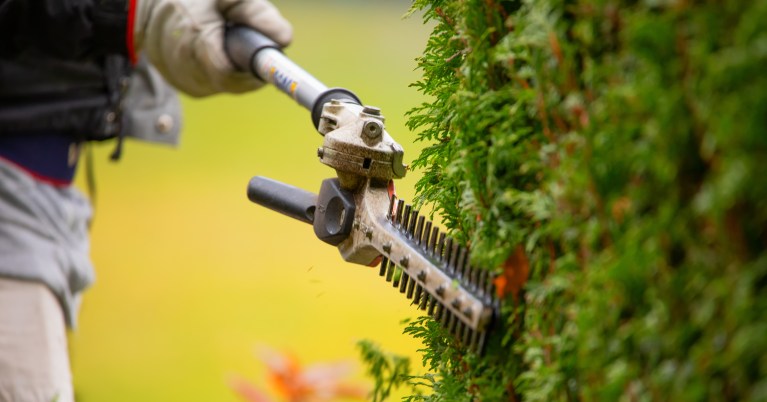
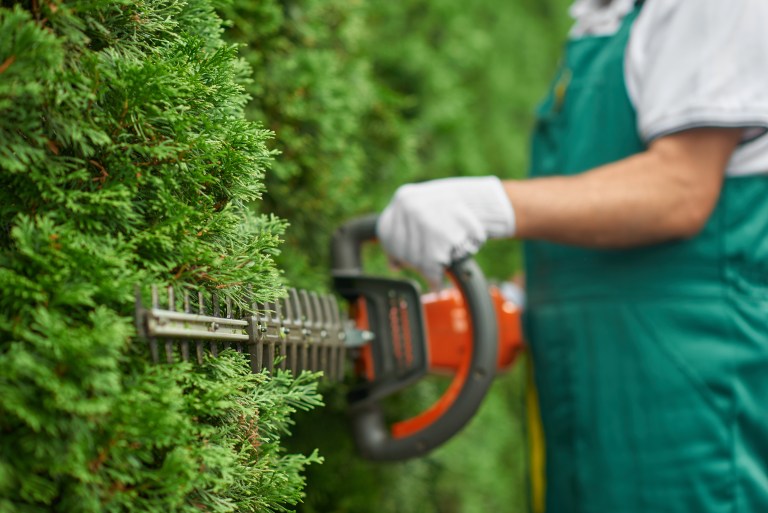
Professional tree shaping requires specialized equipment. We use proper pruning tools for different sized branches – hand pruners for small twigs, loppers for medium branches, and saws for larger cuts. Sharp, clean tools make better cuts that heal faster.
Aerial work needs trained climbers and proper safety equipment. Our arborists are trained in safe climbing techniques and use appropriate safety gear. We carry full insurance coverage for property protection.
Debris removal is part of every job. We clean up all branches and leaves, and can chip smaller material for mulch if you want it. Larger wood gets removed unless you need firewood.
Caring for Shaped Trees
Newly shaped trees need extra water the first year, especially during dry spells. Mulching helps retain moisture and protects roots from temperature changes. Keep mulch three inches away from the trunk to prevent pest problems.
Watch for pest and disease problems after shaping. Fresh cuts can attract insects or allow fungal infections. Most problems can be prevented with proper pruning techniques and timing.
Follow-up maintenance keeps trees healthy and attractive. Most trees benefit from shaping every 3-5 years, depending on growth rate and species. Regular maintenance costs less than major corrective work later.
Species-Specific Shaping Guidelines
Oaks respond well to shaping when done at the right time. Avoid pruning during active growth periods when oak wilt beetles are active. These majestic trees can live for centuries with proper care.
Maples bleed sap when pruned in late winter or early spring. This doesn’t hurt the tree, but it looks messy. Late summer or fall pruning works better for maples.
Pine trees need special techniques. Never cut back into old wood that doesn’t have needles – it won’t grow back. Pine shaping focuses on removing whole branches or shortening new growth.
Fruit trees require annual shaping for best production. We open up the center for air circulation and sun penetration. Proper fruit tree shaping improves both quantity and quality of fruit.
Emergency Shaping After Storm Damage
When storms damage trees, proper cleanup prevents further problems. Broken branches leave torn bark and splintered wood that invites decay. Clean cuts heal better than ragged breaks.
Don’t wait too long after storm damage. Trees compartmentalize wounds better when cuts are made soon after damage occurs. But avoid working around power lines or unstable branches – that’s when you need professionals.
Insurance companies often require documentation of storm damage. We provide detailed reports and photos for insurance claims. Sometimes shaped trees can be saved when removal seems like the only option.
Why Choose Professional Tree Shaping
Homeowner pruning usually creates more problems than it solves. Without understanding tree biology and proper techniques, well-meaning pruning can damage or kill trees. Professional arborists know how trees respond to different cuts.
Liability issues make DIY tree work risky. If pruning damages your neighbor’s property or injures someone, you’re responsible. Professional services carry insurance that protects both you and your neighbors.
Quality results last longer and look better. Proper tree shaping enhances your property value and provides years of benefits. Poor pruning creates ongoing problems that cost more to fix than doing it right the first time.
Local Knowledge Makes a Difference
We know Long Island’s tree species, soil conditions, and climate challenges. Trees growing in Manhasset face different issues than trees in Montauk. Local experience helps us make better decisions for each situation.
Community connections matter too. We work with local garden clubs, landscape designers, and property managers. These relationships help us stay current on best practices and local regulations.
Long-term client relationships let us track tree health over time. When we’ve been caring for your trees for years, we notice subtle changes that indicate problems early. Prevention costs less than treatment.
At The Top Tree Service Corp, tree shaping isn’t just a service – it’s our specialty. Every tree tells a story, and we help write the next chapter. Whether you need storm damage cleanup, routine maintenance, or artistic shaping, our certified arborists bring the knowledge and experience your trees deserve.
Contact us today for a consultation. We’ll evaluate your trees, discuss your goals, and create a shaping plan that protects your investment while enhancing your property’s beauty.
Offices
Head Office
We are located right off Sunrise Hwy in Shirley, our office isn't open to the public, however, you can call us to schedule a free estimate!
917 Montauk Hwy Shirley, NY
Phone: (516)-315-5716
