
Need expert tree trimming long island ny? Call now for expert tree services!
Tree Trimming Near You | At The Top Tree Service Corp
Three weeks ago, a massive oak tree in Huntington dropped a branch right through a client’s roof during that surprise windstorm. The homeowner called us panicked at 6 AM, and honestly, we weren’t surprised. We see this happen every fall when property owners skip their annual tree trimming.
Here’s what most Long Island residents don’t realize: that beautiful 80-year-old maple in your backyard isn’t just decoration. Without proper trimming, it becomes a 10,000-pound liability waiting for the next nor’easter.
At The Top Tree Service Corp has been handling tree trimming across Long Island for over 15 years. We’ve climbed everything from the towering oaks in Garden City to the stubborn pines along the Nassau-Suffolk border. Our crew knows exactly which branches need to go and which ones keep your tree healthy through Long Island’s unpredictable weather.
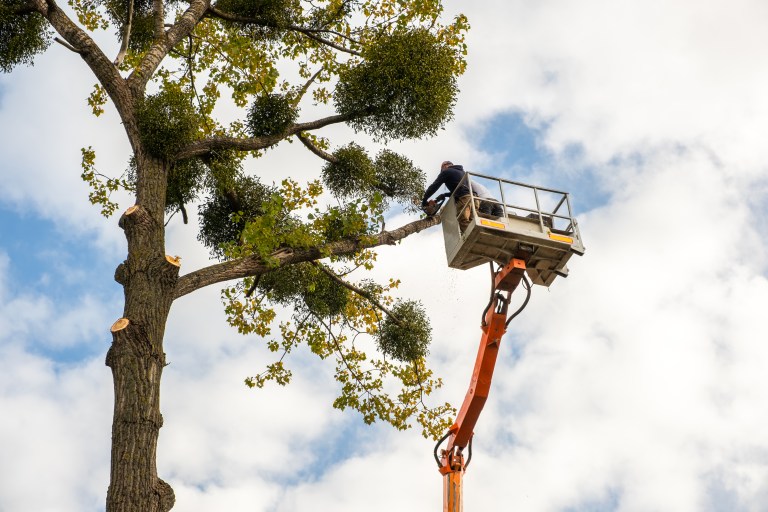
Living between the Atlantic Ocean and Long Island Sound means our trees face unique challenges. Salt air from the south shore, ice storms from the northwest, and those summer thunderstorms that seem to come out of nowhere – your trees take a beating.
Most homeowners in Babylon, Islip, and Huntington call us after storm damage. But the smart ones call before hurricane season starts. Regular tree trimming removes dead branches before they become projectiles, opens up the canopy so wind flows through instead of against it, and keeps your trees strong enough to handle whatever Mother Nature throws at Long Island.
We’ve trimmed thousands of trees from Montauk Point to Queens County, and every single property is different. That massive willow in your Levittown backyard needs different care than the row of maples lining your Manhasset driveway. Our certified arborists assess each tree individually because cookie-cutter trimming kills more trees than it saves.
Tree Trimming Services Across Nassau and Suffolk Counties
Professional Crown Reduction and Shaping
When your neighbor complains about your tree blocking their view of the bay, or when branches start scraping your roof every time the wind picks up, crown reduction solves the problem without killing the tree.
We remove specific branches to reduce the tree’s overall size while maintaining its natural shape. This isn’t the same as topping – which basically murders your tree slowly. Crown reduction keeps your oak, maple, or pine healthy while addressing practical concerns like power lines, rooflines, and property boundaries.
Our crews have worked on everything from the historic estates in Old Westbury to the compact lots in Valley Stream. Each job requires different techniques because a 100-year-old elm needs different care than a 20-year-old cherry tree.
Deadwood Removal and Safety Pruning
Dead branches don’t announce themselves until they fall. Usually at the worst possible moment, like during your kid’s graduation party or right after you finally got your roof repaired.
Professional deadwood removal involves more than just cutting off obviously dead branches. Our arborists identify branches that are dying, diseased, or structurally compromised. We remove them before they become problems, not after they’ve already caused damage.
This is especially important for Long Island properties because our trees deal with so much stress. Salt spray from the ocean, road salt in winter, compacted soil from construction, and those intense summer heat waves all weaken branches in ways that aren’t obvious to property owners.
Storm Damage Prevention Trimming
Every October, we get calls from homeowners asking if their trees will survive the winter. By then, it’s almost too late for preventive trimming. The best time to prepare your trees for storm season is late spring or early summer.
Storm prevention trimming involves removing branches that create wind resistance, eliminating weak branch unions, and reducing the overall sail effect of your tree canopy. We’ve seen too many beautiful trees lost to hurricanes simply because they weren’t properly maintained.
After Hurricane Sandy hit Long Island, we spent months removing fallen trees that could have been saved with proper trimming. The trees that survived had been professionally maintained – the ones we lost were either neglected or improperly topped by inexperienced crews.
Local Tree Species We Specialize In
Oak Tree Trimming
Long Island’s native oaks are incredible trees, but they need expert care. White oaks, red oaks, and pin oaks all have different growth patterns and trimming requirements. We time our oak trimming carefully to avoid oak wilt disease, which spreads through fresh cuts during certain times of the year.
Our crew knows exactly when to trim your oak and which branches to remove. We’ve maintained oak trees on some of Long Island’s most prestigious properties, from the Gold Coast estates to the historic neighborhoods in Sag Harbor.
Maple Tree Maintenance
Sugar maples, red maples, and Norway maples dominate Long Island landscapes, but they each need different trimming approaches. Norway maples grow aggressively and need regular trimming to prevent them from overwhelming your property. Sugar maples require gentler pruning to maintain their classic shape.
We’ve trimmed maples in every Long Island community from Riverhead to Rockville Centre. Each neighborhood’s soil conditions, salt exposure, and urban stress levels affect how these trees grow and what kind of trimming they need.
Pine and Evergreen Care
Long Island’s sandy soil and coastal climate create perfect conditions for pine trees, but they need specialized trimming techniques. You can’t trim pines the same way you trim deciduous trees – improper cuts will leave permanent gaps in the canopy.
Our arborists understand pine growth patterns and know exactly where to make cuts to maintain the tree’s natural shape while addressing safety concerns. We’ve maintained pine windbreaks from the Hamptons to Hicksville, and each location requires different approaches based on exposure to salt air and wind.
When Your Trees Need Professional Trimming
Most Long Island homeowners wait too long to trim their trees. Here are the warning signs we look for when assessing properties:
Branches hanging over your roof or power lines need immediate attention. We work with PSEG and other utility companies regularly to address trees that threaten power lines, but it’s better to handle this proactively rather than waiting for an outage.
Dead or dying branches anywhere in the canopy should be removed as soon as possible. These branches are unpredictable and can fall without warning, even during calm weather.
Crossing or rubbing branches create wounds that invite disease and insects. We remove these branches to prevent long-term damage to your trees.
Overly dense canopies trap wind and create unnecessary stress during storms. Proper thinning allows wind to flow through the canopy instead of against it.

Our Tree Trimming Process
Every job starts with a thorough assessment by one of our certified arborists. We don’t just look at the branches you want removed – we evaluate the entire tree’s health, structure, and relationship to your property.
Our crews use professional climbing techniques and specialized equipment to access every part of your tree safely. We don’t use spikes on living trees because they damage the bark and create entry points for disease.
All cuts are made according to proper arboricultural standards, at the correct angle and location to promote healing. Improper cuts lead to decay, disease, and structural problems that can kill your tree years later.
We clean up completely after every job. No branches left in your yard, no debris in your neighbor’s driveway, and no damage to your landscaping.
Seasonal Trimming Recommendations for Long Island
Spring trimming works well for most species, but timing matters. We avoid trimming oaks between April and June to prevent oak wilt transmission. Maples can bleed heavily if trimmed too early in spring, so we usually wait until after the leaves emerge.
Summer trimming is perfect for identifying dead branches and addressing storm damage. The full canopy makes it easy to spot problems, and most trees handle summer trimming well.
Fall trimming prepares your trees for winter storms, but we avoid late fall trimming that might stimulate new growth before cold weather arrives.
Winter trimming works great for most species because the trees are dormant and the structure is clearly visible without leaves.
Why Long Island Properties Need Professional Tree Care
Long Island’s unique environment creates specific challenges for tree health. Salt air from the Atlantic Ocean stresses trees along the south shore. Road salt used during winter storms damages trees near streets and driveways. Compacted soil from construction and heavy foot traffic limits root growth.
Many Long Island trees also deal with limited growing space. Your beautiful oak might have been planted 50 years ago when your neighborhood was farmland, but now it’s surrounded by houses, driveways, and utilities. These trees need expert care to stay healthy in confined spaces.
DIY tree trimming often causes more harm than good. Improper cuts create wounds that don’t heal properly, leading to decay and disease. Incorrect timing can stress trees or expose them to seasonal pests and diseases. Safety equipment and climbing techniques require professional training – tree trimming injuries send hundreds of Long Island residents to emergency rooms every year.
Protecting Your Investment
Mature trees add significant value to Long Island properties. A healthy oak or maple can increase your property value by thousands of dollars, while a diseased or dangerous tree becomes a liability that affects your insurance and marketability.
Regular professional trimming is like preventive maintenance for your car – much less expensive than major repairs or replacement. We’ve seen too many beautiful trees lost because property owners tried to save money with cheap or inexperienced crews.
Our certified arborists provide honest assessments of your trees’ condition and needs. We’ll tell you when trimming can save a tree and when removal is the safer option. We’ve built our reputation on Long Island by giving clients straight answers, not expensive sales pitches.
Professional tree trimming also protects your property from storm damage. Properly maintained trees are much less likely to drop branches on your house, cars, or neighbor’s property. Many insurance companies offer discounts for properties with professionally maintained landscaping.
Serving All of Long Island
From the busy neighborhoods of Nassau County to the rural areas of eastern Suffolk County, we’ve trimmed trees in every Long Island community. Each area has its own challenges – salt exposure near the beaches, urban stress in densely populated areas, and soil conditions that vary from sandy coastal areas to the heavier soils inland.
Our crews are familiar with local tree ordinances and permit requirements. Some Long Island communities require permits for trimming large trees or trees near wetlands. We handle all the paperwork and ensure compliance with local regulations.
We also understand the community dynamics in different Long Island neighborhoods. Property lines, shared trees, and neighbor relations all factor into how we approach each job. Our experience working throughout Long Island helps us handle these situations professionally and diplomatically.
Getting Started with Professional Tree Trimming
The best time to schedule tree trimming is before you think you need it. Regular maintenance prevents most emergency situations and keeps your trees healthy for decades.
We provide free consultations for all Long Island properties. Our certified arborists will assess your trees, explain what needs to be done, and provide honest recommendations for timing and priorities.
Every estimate includes detailed explanations of the work proposed, why it’s necessary, and how it will benefit your trees’ long-term health. We believe informed customers make better decisions and are happier with the results.
Professional tree trimming is an investment in your property’s safety, beauty, and value. Don’t wait until the next storm to find out whether your trees are properly maintained. Contact At The Top Tree Service Corp today to schedule your consultation and keep your Long Island property’s trees healthy and safe year-round.
Offices
Head Office
We are located right off Sunrise Hwy in Shirley, our office isn't open to the public, however, you can call us to schedule a free estimate!
917 Montauk Hwy Shirley, NY
Phone: (516)-315-5716
